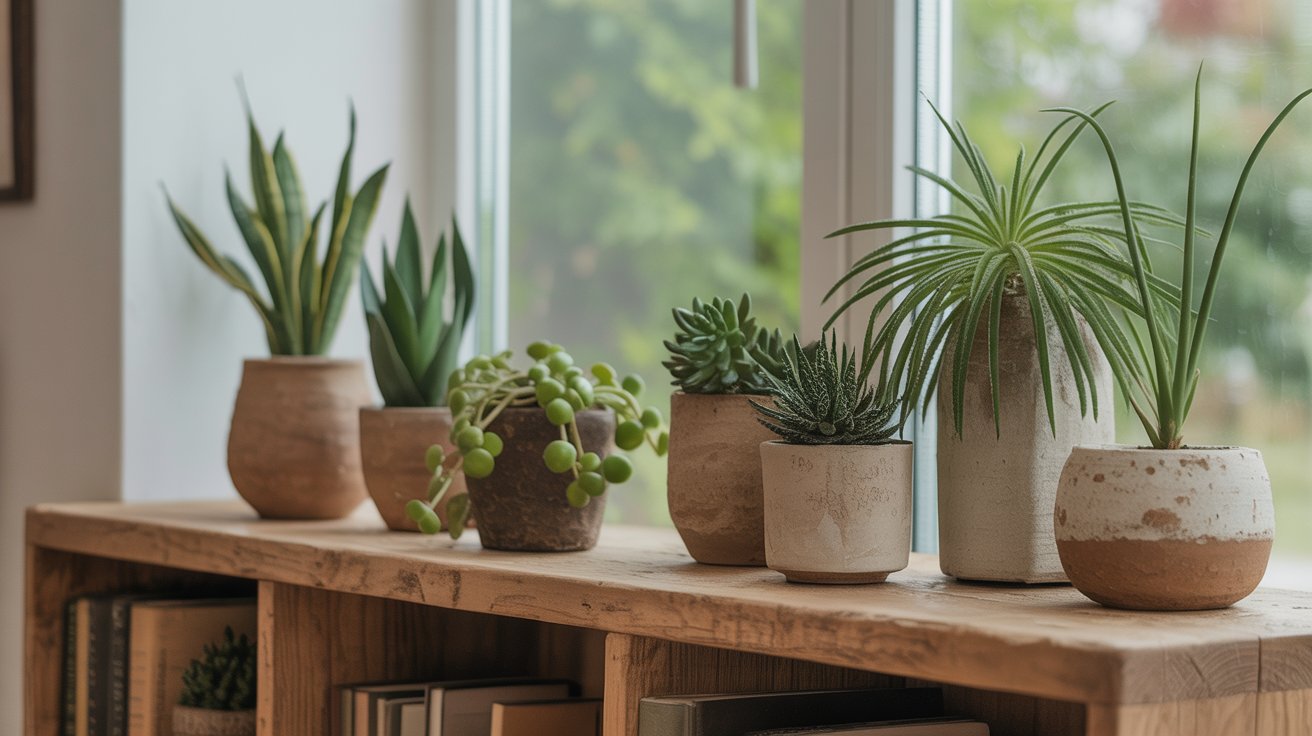
25 Easy to Care For Houseplants (That Are Almost Impossible to Kill)
Please note: This website contains affiliate links. As an Amazon Associate, we earn from qualifying purchases at no additional cost to you.
Here’s something nobody tells you when you buy your first houseplant: it’s not your fault it died.
Most houseplants fail because someone matched the wrong plant to the wrong space — a sun-lover shoved in a dark corner, a drought-tolerant succulent drowning in weekly waterings. The plant wasn’t high-maintenance. It was just misunderstood.
The good news? Once you know what a plant actually needs, keeping it alive is almost embarrassingly easy. I have a snake plant that I’ve forgotten to water for six weeks and it looked at me like “is that all you’ve got?” That’s the energy we’re going for.
This guide covers 25 of the most forgiving, low-fuss indoor plants — from low-light champions to drought-tolerant beauties — with exactly what each one needs to thrive. We’ve also included a quick guide to choosing the right plant for your space before you buy, because that’s where most people go wrong.
Before You Buy: How to Choose the Right Houseplant for Your Home
Picking a plant that fits your home is the single most important thing you can do for its survival. Here’s how to get it right in three steps.
1. Assess Your Lighting
Take a walk around your home and notice where the light actually lands throughout the day — not just where it looks bright.
- Bright direct light — windowsills and spots that get strong sun for most of the day. Succulents, cacti, and aloe vera thrive here.
- Bright indirect light — light that fills the room but isn’t harsh. Perfect for rubber plants, pothos, and peace lilies.
- Low light — corners away from windows or rooms with minimal natural light. Snake plants, ZZ plants, and cast iron plants don’t just survive here — they’re genuinely happy.
2. Know Your Plant Parenting Style
Be honest with yourself here. If you travel frequently, forget to water, or just have a lot going on, drought-tolerant plants like ZZ plants, jade, and snake plants are your people. If you love to nurture and check in daily, humidity-loving plants like calatheas and ferns will reward that attention beautifully.
3. Consider Your Household
Pet owner? Stick with non-toxic varieties like parlor palms, spider plants, and peperomia. Have kids? Avoid plants with irritating sap like dumb cane and philodendron. Live in a dry climate? Skip the ferns and lean toward succulents and cacti that actually prefer dry air.
What You’ll Need
Before your plants arrive, a few basics make all the difference:
- Well-draining potting mix — most houseplants hate sitting in soggy soil. A good all-purpose mix with perlite added is your best friend.
- Pots with drainage holes — non-negotiable. Pretty pots without drainage are beautiful plant coffins.
- A moisture meter — takes the guesswork out of watering completely. One of the best small investments for new plant parents.
- A grow light — if your home is genuinely dark, even low-light plants will thank you for a little supplemental light during winter months.
25 Easy-Care Houseplants for Every Space
1. Snake Plant (Sansevieria)
Lighting: Low to bright indirect light — genuinely one of the most adaptable plants alive. Watering: Let soil dry completely between waterings. Every 2-3 weeks in summer, less in winter. Quick Tip: Snake plants purify the air and actively thrive on neglect. If you’re a chronic over-waterer, this is your plant. The less you fuss, the better it grows — and it will outlive most of your furniture.
2. ZZ Plant (Zamioculcas zamiifolia)
Lighting: Low to moderate indirect light.
Watering: Water only when the soil is completely dry — roughly every 2-4 weeks.
Quick Tip: The ZZ plant stores water in its thick rhizomes, which means it can survive drought conditions that would kill most other plants. It’s virtually indestructible and looks incredibly polished doing it.
3. Pothos (Epipremnum aureum)
Lighting: Low to bright indirect light.
Watering: Allow the top inch of soil to dry between waterings.
Quick Tip: Pothos is a fast grower and thrives even in genuinely low light — it’s one of the few plants that will tell you when it’s thirsty by drooping slightly, then perk right back up after watering. Trim regularly to keep it full and bushy rather than leggy.
4. Spider Plant (Chlorophytum comosum)
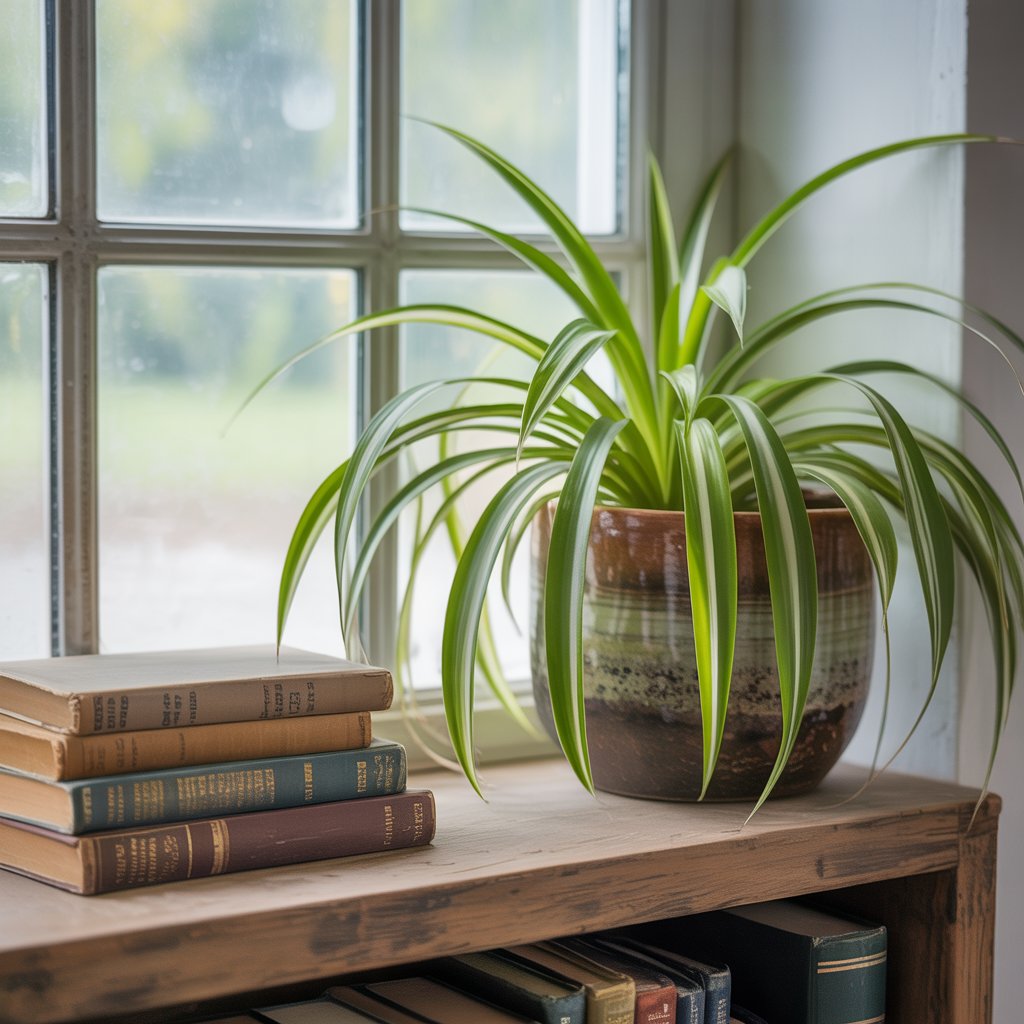
Lighting: Bright indirect light, though it tolerates lower light well.
Watering: Water when the top inch of soil feels dry.
Quick Tip: Spider plants produce little “babies” on long trailing stems that you can snip off and propagate in water. One plant can turn into ten within a year — they’re essentially self-multiplying. Great for filling a shelf or a hanging basket.
5. Peace Lily (Spathiphyllum)
Lighting: Low to moderate indirect light.
Watering: Water when the plant starts to droop slightly — it’s very good at communicating its needs.
Quick Tip: Peace lilies are one of the few flowering plants that bloom reliably in low light, making them perfect for darker rooms or offices. Keep soil consistently moist but never soggy, and they’ll reward you with elegant white blooms.
6. Aloe Vera
Lighting: Bright indirect light — a sunny windowsill is ideal.
Watering: Let the soil dry out completely between waterings. Every 3 weeks is usually enough.
Quick Tip: Aloe vera is as useful as it is beautiful — snap off a leaf and the gel inside soothes sunburns, minor cuts, and dry skin. Just don’t overwater it. More aloe plants die from too much love than too little.
7. Rubber Plant (Ficus elastica)
Lighting: Bright indirect light.
Watering: Let the top 2 inches of soil dry between waterings.
Quick Tip: Rubber plants are having a major moment in interior design right now — those large, glossy, deep green leaves look incredible in a warm minimalist or boho space. Wipe the leaves down monthly to keep them shiny and help the plant breathe. They grow quickly once they settle in.
8. Chinese Money Plant (Pilea peperomioides)
Lighting: Bright indirect light.
Watering: Water when the top inch of soil dries out.
Quick Tip: The round, coin-shaped leaves make this one of the most Instagrammable plants around — and it’s much easier to care for than it looks. Rotate it weekly for even growth, and watch for little “pups” sprouting at the base that you can separate and pot.
9. Jade Plant (Crassula ovata)
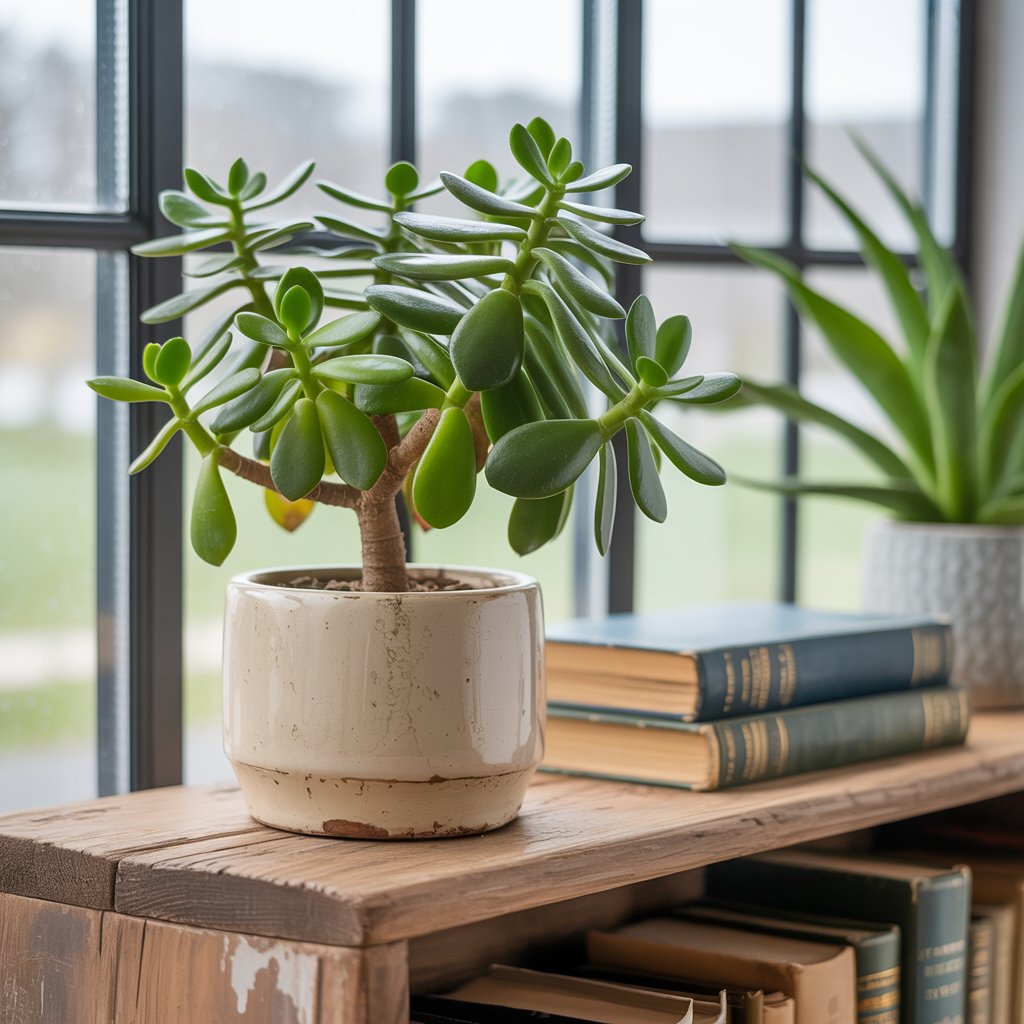
Lighting: Bright indirect to direct sunlight.
Watering: Let the soil dry out completely. Water every 2-3 weeks.
Quick Tip: Jade plants are symbols of good luck and prosperity in many cultures, which makes them a lovely housewarming gift. They grow slowly but can live for decades — some become genuine heirlooms. Treat it like a succulent and it will reward you for years.
10. Philodendron (Heartleaf, Brasil, etc.)
Lighting: Low to bright indirect light.
Watering: Water when the top inch of soil dries.
Quick Tip: Philodendrons are excellent trailing plants — drape them from a high shelf or let them climb a moss pole for a dramatic statement. They grow quickly and forgive occasional missed waterings without drama. One of my personal favorites for adding lush greenery fast.
11. Dracaena (Corn Plant, Marginata, etc.)
Lighting: Low to bright indirect light. Watering: Allow soil to dry halfway between waterings. Quick Tip: Dracaenas are one of the best air-purifying plants you can own, and they grow tall and architectural with minimal effort. They’re sensitive to fluoride in tap water — if the leaf tips turn brown, switch to filtered water or let tap water sit overnight before using.
12. Cast Iron Plant (Aspidistra elatior)
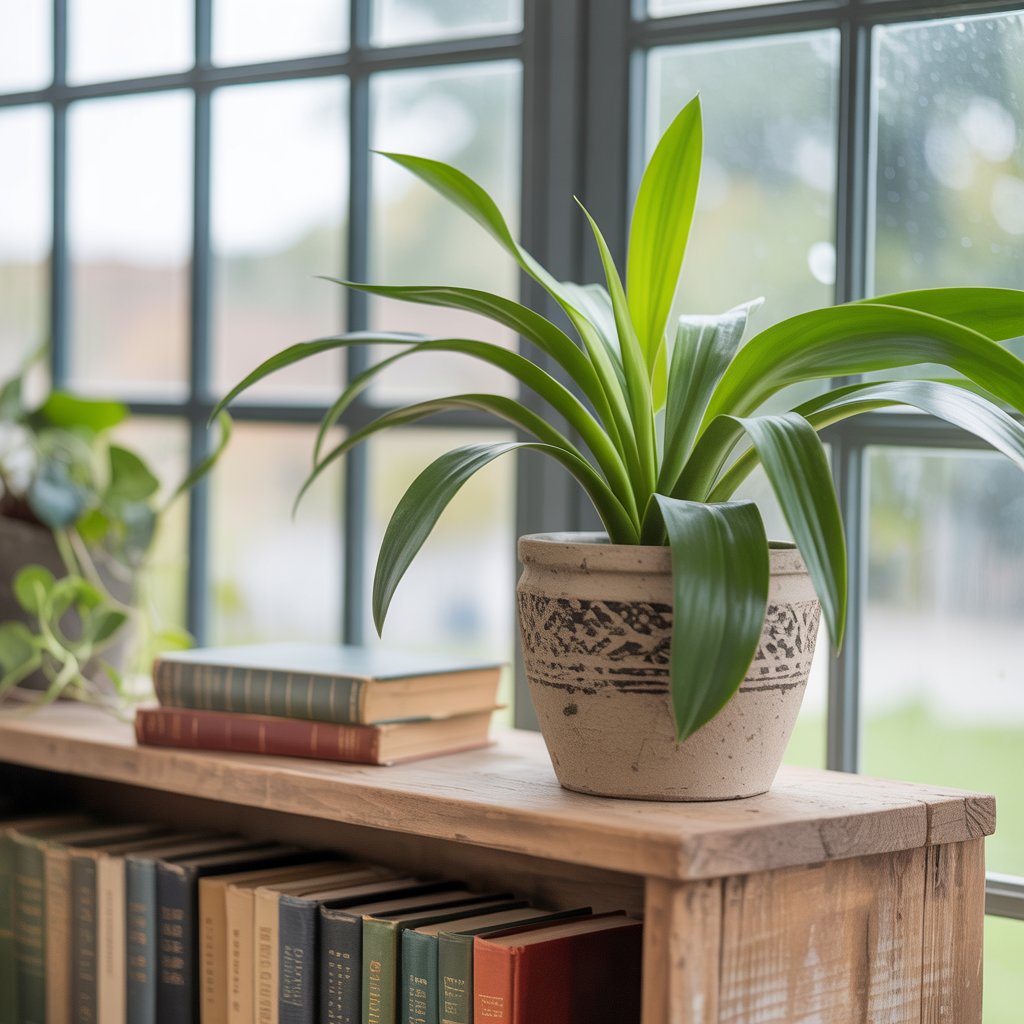
Lighting: Low to moderate indirect light.
Watering: Water every 2-3 weeks, letting soil dry out between waterings.
Quick Tip: It’s called a cast iron plant for a reason — this thing tolerates low light, temperature fluctuations, dust, and irregular watering without complaint. If you have a truly dark corner that’s killed everything else, this is your answer.
13. Aglaonema (Chinese Evergreen)
Lighting: Low to moderate indirect light. Watering: Water when the soil is dry to the touch. Quick Tip: Aglaonema comes in a stunning range of colors — from deep green to pink, red, and silver — and tolerates almost any indoor condition. It’s one of the easiest ways to add real color to a low-light space without repainting a wall.
14. Parlor Palm (Chamaedorea elegans)
Lighting: Low to moderate indirect light. Watering: Keep the soil slightly moist, watering every 1-2 weeks. Quick Tip: Parlor palms are one of the few palms that genuinely thrive indoors, and they’re completely pet-friendly — a rare combination. They add an instant tropical, resort-like feel to any room and grow slowly enough to stay manageable for years.
15. Areca Palm (Dypsis lutescens)
Lighting: Bright indirect light. Watering: Water when the top inch of soil is dry. Quick Tip: If you want to fill a large empty corner with lush, feathery greenery, the areca palm is your best option. It grows tall, looks beautiful, and doubles as a natural humidifier — it releases significant moisture into the air, which is great for dry climates and winter heating season.
16. Hoya (Wax Plant)
Lighting: Bright indirect light. Watering: Let the soil dry between waterings. Quick Tip: Hoyas are slow to bloom but absolutely worth the wait — clusters of waxy, star-shaped flowers with a sweet fragrance appear once the plant matures. Don’t repot too often, as hoyas actually bloom better when slightly root-bound. A little neglect goes a long way.
17. Calathea (Prayer Plant)
Lighting: Low to moderate indirect light. Watering: Keep the soil consistently moist but never soggy. Quick Tip: Calathea leaves fold upward at night as if in prayer — one of the more magical things a houseplant can do. They’re more particular about humidity and water quality than most plants on this list, but the stunning patterned leaves make them completely worth the extra attention.
18. Arrowhead Plant (Syngonium podophyllum)
Lighting: Low to bright indirect light. Watering: Allow the top inch of soil to dry before watering. Quick Tip: Young arrowhead plants have a compact, bushy shape, but as they mature they begin to trail and vine beautifully. Give them a trellis to climb or let them spill over a shelf — they’re incredibly versatile and grow quickly in good indirect light.
19. Nerve Plant (Fittonia albivenis)
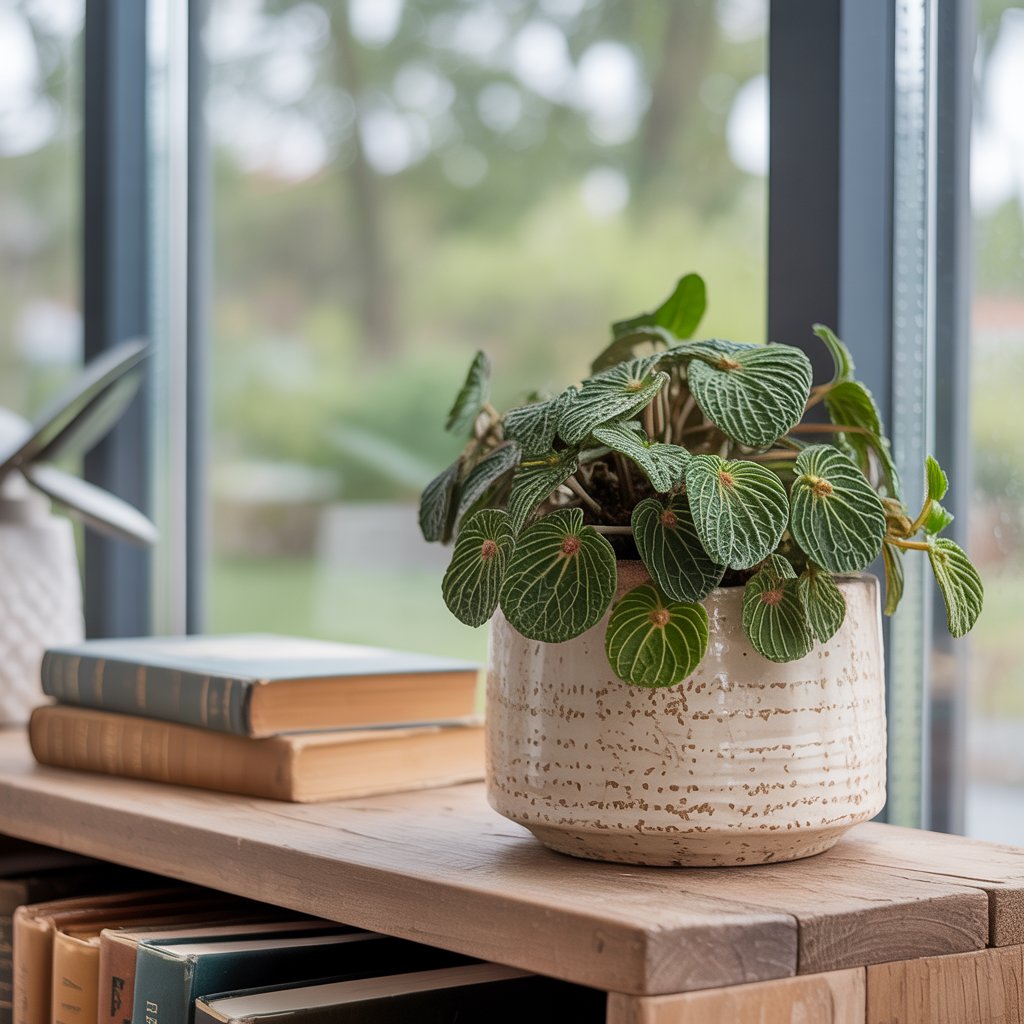
Lighting: Low to moderate indirect light.
Watering: Water when the soil begins to dry — don’t let it dry completely.
Quick Tip: The intricate white or pink veining on fittonia leaves is genuinely stunning up close. They love humidity, which makes them one of the best plants for bathrooms. They’ll dramatically droop if they get too dry, but bounce back quickly after watering — very forgiving once you learn their rhythm.
20. Dumb Cane (Dieffenbachia)
Lighting: Low to moderate indirect light.
Watering: Allow the top inch of soil to dry before watering.
Quick Tip: Dumb cane grows quickly and has large, beautifully variegated leaves that make a real statement. One important note: the sap is toxic and irritating to skin and mucous membranes — keep it away from pets and small children, and wash your hands after handling.
21. Peperomia (Various species)
Lighting: Moderate to bright indirect light.
Watering: Water when soil feels dry to the touch — they store water in their leaves.
Quick Tip: With hundreds of varieties in every shape, color, and texture imaginable, peperomias are one of the most collectible houseplants around. They’re compact, pet-friendly, and nearly impossible to kill — perfect for small spaces, office desks, and bathroom shelves.
22. Maranta (Red Prayer Plant)
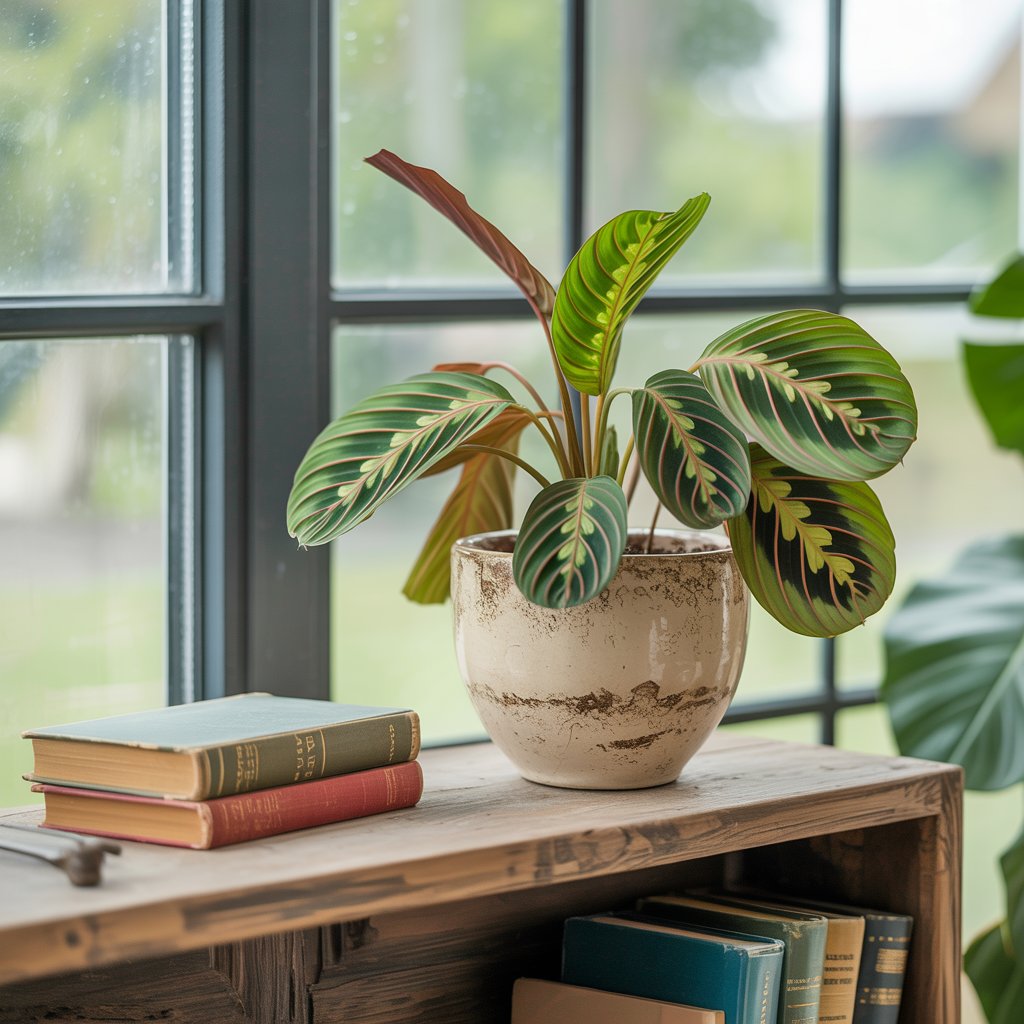
Lighting: Low to moderate indirect light.
Watering: Keep soil slightly moist — don’t let it dry out completely.
Quick Tip: Marantas have some of the most beautiful leaf patterns in the plant world — deep green with red veining and lighter markings that look almost painted on. Like calathea, the leaves fold up at night. They spread low and wide, making them ideal for wide, shallow pots.
23. Lucky Bamboo (Dracaena sanderiana)
Lighting: Low to moderate indirect light.
Watering: If growing in water, change the water every 1-2 weeks. If in soil, keep it lightly moist.
Quick Tip: Lucky bamboo is one of the easiest plants to keep alive because it grows in water alone — no soil required. It’s traditionally given as a gift symbolizing luck and prosperity, and the stalks can be trained into spirals and shapes over time. A low-effort, high-meaning plant.
24. Monstera Deliciosa (Swiss Cheese Plant)
Lighting: Bright to moderate indirect light. Watering: Water when the top 2 inches of soil are dry — roughly every 1-2 weeks. Quick Tip: The monstera is the ultimate statement houseplant — those dramatic split leaves have become an icon of modern interior design for good reason. It grows quickly in good light and can get genuinely large, so give it space and a moss pole to climb. New leaf day is genuinely exciting with this one.
25. String of Pearls (Senecio rowleyanus)
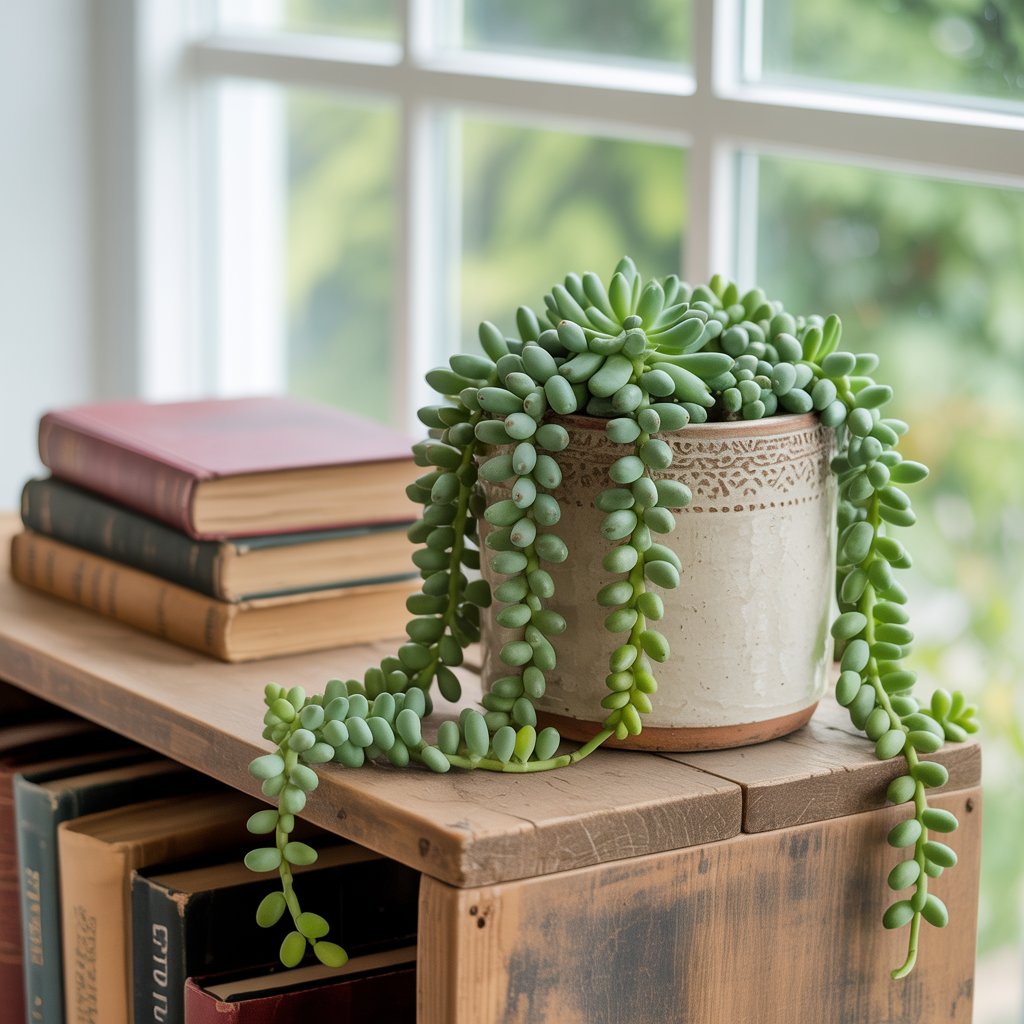
Lighting: Bright indirect light — a spot near a window is ideal. Watering: Water sparingly — every 2-3 weeks, less in winter. This is a succulent and hates sitting in moisture. Quick Tip: String of pearls is one of the most visually striking trailing plants you can own — those cascading strings of perfect little bead-like leaves look incredible spilling over the edge of a high shelf or hanging basket. The trick is drainage: plant it in a gritty, well-draining succulent mix and never let it sit in water.
Quick Reference: 25 Easy-Care Houseplants at a Glance
| Plant | Light | Water Frequency | Best For |
|---|---|---|---|
| Snake Plant | Low–Bright indirect | Every 2-3 weeks | Beginners, any room |
| ZZ Plant | Low–Moderate | Every 2-4 weeks | Dark rooms, travelers |
| Pothos | Low–Bright indirect | When top inch is dry | Shelves, hanging baskets |
| Spider Plant | Bright indirect | When top inch is dry | Propagating, hanging |
| Peace Lily | Low–Moderate | When it droops slightly | Low-light flowering |
| Aloe Vera | Bright indirect | Every 3 weeks | Sunny windowsills |
| Rubber Plant | Bright indirect | When top 2″ are dry | Statement plant |
| Chinese Money Plant | Bright indirect | When top inch is dry | Small spaces |
| Jade Plant | Bright–Direct | Every 2-3 weeks | Sunny spots |
| Philodendron | Low–Bright indirect | When top inch is dry | Trailing, climbing |
| Dracaena | Low–Bright indirect | When halfway dry | Tall corners |
| Cast Iron Plant | Low–Moderate | Every 2-3 weeks | Dark corners |
| Aglaonema | Low–Moderate | When dry to touch | Color in low light |
| Parlor Palm | Low–Moderate | Every 1-2 weeks | Pet-friendly homes |
| Areca Palm | Bright indirect | When top inch is dry | Large corners |
| Hoya | Bright indirect | When soil is dry | Trailing, flowering |
| Calathea | Low–Moderate | Keep moist | Humidity lovers |
| Arrowhead Plant | Low–Bright indirect | When top inch is dry | Trailing or climbing |
| Nerve Plant | Low–Moderate | When soil begins to dry | Bathrooms |
| Dumb Cane | Low–Moderate | When top inch is dry | Statement leaves |
| Peperomia | Moderate–Bright | When dry to touch | Small spaces, desks |
| Maranta | Low–Moderate | Keep slightly moist | Wide, shallow pots |
| Lucky Bamboo | Low–Moderate | Change water weekly | Gifts, water growing |
| Monstera | Bright–Moderate | When top 2″ are dry | Statement plant |
| String of Pearls | Bright indirect | Every 2-3 weeks | Hanging, trailing |
Frequently Asked Questions
What is the easiest houseplant to keep alive for a complete beginner? Snake plants and ZZ plants are the two most forgiving plants for beginners. Both tolerate low light, irregular watering, and general neglect without complaint. Start with one of these, build your confidence, then branch out.
How do I know when to water my houseplant? The best rule of thumb: ignore the schedule and check the soil. Stick your finger an inch into the soil — if it feels dry, water thoroughly until it drains from the bottom. If it still feels moist, wait a few more days. A moisture meter takes the guesswork out completely and is worth every penny.
Why do my houseplants keep dying? Overwatering is the number one killer of houseplants — by a wide margin. Most people water on a schedule rather than based on what the plant actually needs. The second most common cause is wrong lighting — a low-light plant in a dark room or a sun-lover too far from a window. Match the plant to your space first, then water based on soil moisture rather than the calendar.
Are there houseplants that are safe for pets? Yes — parlor palm, spider plant, peperomia, maranta, areca palm, and lucky bamboo are all considered non-toxic to cats and dogs. Always verify with the ASPCA’s toxic plant database before bringing a new plant home if you have pets.
What’s the best houseplant for a dark room with no windows? Cast iron plant is your most reliable option for truly dark spaces. ZZ plants and snake plants also do surprisingly well. If you have any budget for it, adding a simple grow light on a timer can open up your plant options significantly even in the darkest rooms.
Please note: This website contains affiliate links. As an Amazon Associate, we earn from qualifying purchases at no additional cost to you.